
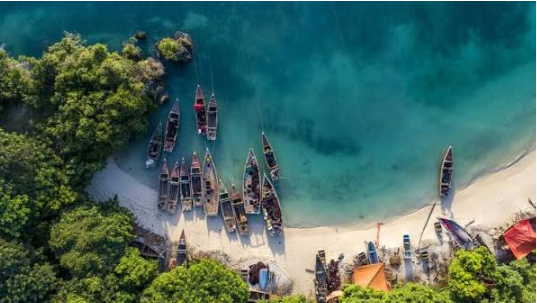


East Africa is where the safari began, and it remains the region where the experience is at its most varied. Within a few countries you can follow the Great Migration across the Serengeti, drift over the plains in a hot-air balloon, trek to mountain gorillas in the Virunga forests and finish with your toes in the sand on the Indian Ocean. A well-built East Africa luxury safari itinerary links these highlights with private guiding, boutique camps and smooth logistics, so that the trip feels effortless rather than rushed.
This guide explains what luxury means in the region, which destinations to combine, how to structure the days, what it costs and when to go.
(I’ve read your keyword as “East Africa luxury safari itinerary.”)
What Defines a Luxury Safari in East Africa?
Luxury on safari is about access, privacy and service more than excess. A genuinely high-end itinerary typically includes:
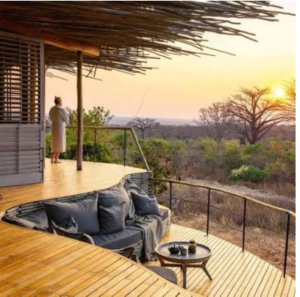
- Small, exclusive camps and lodges, often with fewer than 20 guests and positioned in prime wildlife areas
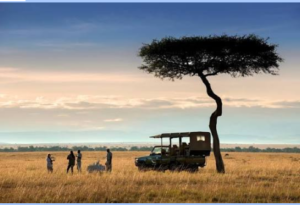
- A private vehicle and dedicated guide, so you set the pace, timing and focus of each drive
- Light-aircraft transfers, which replace long, dusty road journeys between parks
- Fine dining and wellness, from bush dinners under the stars to spa treatments at the lodge
- Exclusive activities, such as walking safaris, night drives and balloon flights, particularly in private concessions and conservancies
- Seamless planning, with permits, flights, lodges and ground handling arranged by one operator
The best itineraries also build in rest, because the days are long and early starts are part of the appeal.
The Core Destinations
Tanzania: The Serengeti, Ngorongoro and Beyond
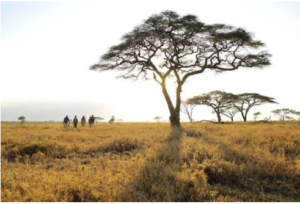
Tanzania is the anchor of most East Africa luxury safari itineraries. The Serengeti hosts the Great Migration, with herds moving between the southern plains, the central Seronera region, the western corridor and the northern Mara River area through the year. The Ngorongoro Crater offers dense wildlife in an enclosed caldera, and Tarangire is known for elephants and baobabs. Remote Ruaha, Nyerere, Mahale and Katavi add wilder, quieter options.
Kenya: The Masai Mara and Conservancies
The Masai Mara is compact and rich in big cats, and it shares the migration with the Serengeti from roughly July to October. The surrounding private conservancies limit vehicle numbers and often allow night drives and walking safaris, which makes them a favorite for luxury travelers. Kenya also offers Amboseli, with elephants against Kilimanjaro, and Laikipia, with rhinos and conservation-led camps.
Rwanda: Gorillas in Comfort
Rwanda’s Volcanoes National Park is about two hours from Kigali, and it is one of the most convenient places in Africa to trek to mountain gorillas. Boutique lodges on the slopes offer spa services and fireside dining. Nyungwe adds chimpanzees and colobus monkeys, and Akagera provides savanna wildlife.
Uganda: Primates and Variety
Uganda offers gorillas in Bwindi, chimpanzees in Kibale and a mix of big game and boat safaris in Queen Elizabeth and Murchison Falls. It generally offers lower gorilla permit costs than Rwanda, and it suits travelers who want more primate variety.
The Coast: Zanzibar and Kenya’s Beaches
A beach finish is a classic luxury touch. Zanzibar, the Kenyan coast and the islands of the Indian Ocean provide a restful end to a physically full trip.
Sample Luxury Itineraries
7 Days: Tanzania Classic
- Days 1 to 2: Arrive in Arusha, then Tarangire for elephants and baobabs
- Day 3: Ngorongoro Crater rim, with a descent into the crater the next morning
- Days 4 to 6: Serengeti, positioned according to the migration, with a balloon flight and a private bush dinner
- Day 7: Fly out
A balanced introduction for first-time visitors.
10 Days: Migration and Masai Mara
- Days 1 to 3: Arusha, Tarangire and Ngorongoro
- Days 4 to 6: Serengeti, northern sector for river crossings (July to October)
- Days 7 to 9: Cross into Kenya’s Masai Mara conservancies by light aircraft
- Day 10: Fly out of Nairobi
Best in the middle of the year, when the herds are in the north.
12 Days: Safari and Gorillas
- Days 1 to 7: Tanzania’s northern circuit as above
- Day 8: Fly via a regional hub to Kigali
- Days 9 to 11: Volcanoes National Park, with a gorilla trek and golden monkey tracking
- Day 12: Return to Kigali and depart
This itinerary pairs plains with primates.
14 Days: The Grand East Africa Journey
- Days 1 to 6: Tanzania, covering the Serengeti, Ngorongoro and Tarangire
- Days 7 to 9: Masai Mara conservancies
- Days 10 to 12: Rwanda or Uganda for gorillas
- Days 13 to 14: Beach extension in Zanzibar or on the Kenyan coast
The most complete itinerary, but also the most logistically complex.
Honeymoon or Anniversary Variation
Spend extra nights in fewer camps, add a balloon flight and private dinner, and finish with a longer beach stay.
Choosing the Right Season
East Africa’s seasons shape both wildlife and price.
Late June to October. The dry season is the peak of safari season. Wildlife concentrates near water, visibility is excellent and the Mara River crossings occur in the northern Serengeti and Masai Mara. Camps are at their busiest and most expensive, so book 9 to 12 months ahead.
January to March. Calving season in the southern Serengeti brings newborn wildebeest and active predators, with fewer crowds.
April to May. The long rains bring green landscapes and the lowest rates, but roads can be difficult and some camps close.
November to December. Short rains and shoulder-season value, with strong demand around the holidays.
Gorillas and chimpanzees can be trekked year-round, and no single month guarantees a better gorilla encounter, so if your itinerary includes the migration, let the herds set your dates. Dumaexplorer
Costs: What to Expect
Luxury itineraries are priced per person and vary with season, camps and route. Current estimates show that luxury safaris range from around $700 to $1,500 per person per day. Ultra-premium camps and private concessions in peak season can exceed that. twowanderingsoles
Fixed Costs to Plan For
- Park and conservation fees. Charged per person per day and not negotiable. For example, descending into Ngorongoro Crater carries a $295 per vehicle service fee. dumaexplorer
- Gorilla permits. Rwanda charges USD $1,500 per person, while Uganda’s standard permit is $800 per person in high season, or $600 in the low-season months of April, May and November. Tariffs are revised periodically. dumaexplorerdumaexplorer
- Light-aircraft flights. Transfers between airstrips and across borders add significantly to the total.
- Balloon flights. In the Serengeti these cost around $500 to $599 per person. safarifind
Sample Budgets (per person, excluding international flights)
| Itinerary | Approximate Range |
| 7-day Tanzania luxury | 5,600–10,500 |
| 10-day Tanzania and Kenya | 9,000–16,000 |
| 12-day safari and gorillas | 12,000–20,000 |
| 14-day grand journey with beach | 16,000–30,000+ |
These are planning estimates. Actual quotes depend on camps, dates and group size, so ask for an itemized proposal.
Designing Your Itinerary: Practical Principles
Fewer camps, longer stays. Spending two or three nights in each location reduces transfers and gives you time to enjoy your surroundings. Moving every night is tiring and wastes game-viewing time.
Match camps to the migration. Mobile and seasonal camps are positioned where the herds are, so confirm locations for your dates before booking.
Balance intensity. Alternate active days (gorilla trekking, long game drives) with slower ones (spa, lodge time, a bush breakfast).
Mix accommodation styles. Combine a luxury tented camp in the Serengeti with a rim lodge at Ngorongoro and a boutique villa on the coast to vary the experience.
Plan the flights first. Light-aircraft schedules and baggage limits, usually around 15 kilograms in soft bags, shape what is possible, particularly for cross-border routes.
Allow buffer time. Weather and flight changes can affect schedules, so avoid tight connections on the day you fly home.
Practical Preparation
- Visas. Rules vary by nationality and change over time, so check requirements for each country early.
- Health. Consult a travel clinic about yellow fever, malaria prevention and routine vaccinations.
- Insurance. Choose a policy with medical evacuation cover and trip cancellation protection.
- Packing. Soft-sided bags, neutral clothing, warm layers for early mornings, hat, sunscreen, binoculars and a camera with a telephoto lens. For gorilla treks, add waterproof boots, long sleeves and gardening gloves.
- Age limits. The minimum age for gorilla trekking is 15 in both Uganda and Rwanda. dumaexplorer
- Booking windows. Rwanda recommends booking gorilla permits 3 to 6 months in advance, and the best small camps often need 9 to 12 months for peak dates. dumaexplorer
Choosing a Luxury Safari Operator
The operator shapes everything from camp quality to guide selection. Look for:
- Regional expertise, with strong relationships at camps and with park authorities
- Transparent pricing, with a clear breakdown of inclusions and exclusions
- Flexibility, to tailor pace, activities and accommodation
- Skilled guides, with strong qualifications and experience
- Responsible practices, including fair staff wages and community and conservation investment
- Reliable support, with well-maintained vehicles and emergency arrangements
Conclusion
A well-designed East Africa luxury safari itinerary turns a collection of famous names into a coherent journey. The Serengeti and Masai Mara deliver the migration and big cats, Ngorongoro adds drama, Rwanda and Uganda offer gorillas and chimpanzees, and the coast provides a restful finish. The keys to getting it right are simple: choose fewer locations with longer stays, align camps with the season, build in rest and book early. With a trusted operator handling the logistics, you can focus on what matters, the wildlife, the landscapes and the shared experience of one of the world’s great wilderness regions.
Key Takeaways
- A luxury East Africa itinerary combines small camps, private guiding, light-aircraft transfers and exclusive activities.
- Core destinations include Tanzania, Kenya, Rwanda and Uganda, with a beach extension on the coast.
- Luxury safaris typically cost $700 to $1,500+ per person per day, and multi-country trips cost more because of permits and flights.
- Gorilla permits cost about $800 in Uganda and $1,500 in Rwanda, and tariffs can change.
- Late June to October is peak season, and January to March suits calving.
- Fewer camps and longer stays produce a better trip than a rushed itinerary.
- Book 9 to 12 months ahead for peak dates, and gorilla permits 3 to 6 months ahead.
Frequently Asked Questions
- How many days do I need for an East Africa luxury safari?
Seven days works for a single country such as Tanzania. Ten to twelve days suits a two-country trip, and fourteen days or more allows a grand itinerary with a beach finish. - How much does an East Africa luxury safari cost?
Roughly $700 to $1,500 or more per person per day, depending on camps and season. A seven-day luxury trip commonly falls between $5,600 and $10,500 per person, excluding international flights. - What is the best time to go?
Late June to October for dry-season wildlife and river crossings, and January to March for calving season. Gorilla trekking is possible year-round. - Can I combine Tanzania and Kenya?
Yes. The Serengeti and Masai Mara form one ecosystem, and travelers cross between them by light aircraft or road, with visa and logistics planned in advance. - Can I add gorillas to a safari itinerary?
Yes. Rwanda and Uganda are the usual choices, typically reached by regional flights through Kigali, Entebbe or Nairobi. - Is a private safari better than a group safari?
For luxury travelers, usually yes. A private vehicle and guide give you control over timing, pace and photography. - Are luxury safaris suitable for families?
Many camps welcome children, though some have age limits and gorilla trekking requires a minimum age of 15. Ask your operator about family-friendly camps and private vehicles. - What should I pack?
Soft-sided bags, neutral clothing, warm layers, sun protection, binoculars and a camera. Add waterproof boots and gloves for gorilla treks. - How far ahead should I book?
Nine to twelve months for peak-season camps, and three to six months for gorilla permits. - Is East Africa safe for tourists?
Safari circuits in Tanzania, Kenya, Rwanda and Uganda are generally well managed. Use a licensed operator and check your government’s current travel advice before booking.
Note: Prices, park fees, permit tariffs and seasonal patterns change. Treat the figures here as planning estimates and confirm current details with your operator before booking.
I can also put this into a Word doc or a ready-to-publish web page if you’d like.