
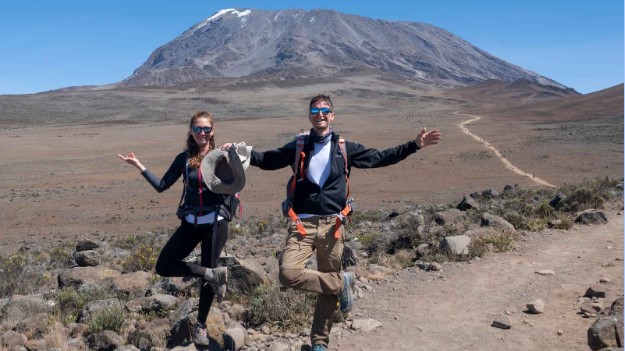


Mount Kilimanjaro stands as Africa’s highest peak and one of the world’s most accessible high-altitude mountains. Each year, approximately 50,000 adventurers from around the globe attempt to reach Uhuru Peak at 5,895 meters. While the mountain’s non-technical routes make it achievable for determined hikers without mountaineering experience, the financial investment required deserves careful consideration. Understanding the complete cost structure of climbing Kilimanjaro enables proper budgeting and ensures you select a trek that balances quality, safety, and value.
Understanding the Base Cost Structure
The climbing Mount Kilimanjaro cost varies significantly based on several factors, with prices typically ranging from $1,500 to $6,000 per person for the climb itself. This substantial range reflects differences in route selection, trek duration, group size, operator quality, and service level. Budget operators may offer trips starting around $1,500 to $2,000, while mid-range operators typically charge $2,500 to $4,000, and premium operators command $4,000 to $6,000 or more.
These baseline figures cover the essential components required for any Kilimanjaro expedition. Every climb must include park fees mandated by Tanzania National Parks Authority, which account for a significant portion of the total cost. Additionally, the base price encompasses guide and porter services, camping or hut accommodations on the mountain, meals during the trek, and transportation to and from the trailhead.
Breaking Down Park Fees and Permits
Tanzania National Parks Authority fees represent a fixed cost that every climber must pay regardless of which operator they choose. These non-negotiable charges include conservation fees of approximately $70 per day, camping or hut fees ranging from $50 to $120 per night depending on the route, rescue fees of around $20 per trip, and the crater camping fee of $100 if you plan to camp at the summit crater.
For a standard seven-day Machame Route trek, park fees alone typically total $1,000 to $1,200 per person. These fees support mountain conservation, trail maintenance, rescue operations, and local community development. While they represent a substantial expense, they ensure the mountain remains accessible and well-maintained for future generations.
Route Selection and Duration Impact
Your choice of route significantly influences the overall cost due to varying durations and logistical requirements. The Marangu Route, often called the “Coca-Cola Route,” is typically the most affordable option, with five to six days on the mountain and hut accommodations rather than camping. Prices usually start around $1,800 to $2,500 for budget operators.
The Machame Route, the most popular path to the summit, typically requires six to seven days and involves full camping. Costs range from $2,000 to $3,500 depending on the operator and group size. The Lemosho and Northern Circuit routes, offering superior acclimatization and more remote wilderness experiences, require seven to nine days and generally cost $2,500 to $5,000. The Rongai Route, approaching from the drier northern side, falls in the middle range at $2,200 to $3,800.
Longer routes cost more due to additional park fees, extra days of meals and accommodations, and extended guide and porter services. However, the investment often pays dividends through better acclimatization, which significantly improves summit success rates.
Guide, Porter, and Crew Considerations
Every Kilimanjaro climb requires a team of local guides, porters, and support staff. Tanzanian regulations mandate a minimum of one guide for every two climbers, though reputable operators often provide better ratios. Your climbing team typically includes a lead guide, assistant guides, a cook, and several porters who carry equipment, food, and camping gear.
Quality operators invest in proper staff training, fair wages, appropriate equipment, and comprehensive insurance. While this increases the upfront cost, it ensures ethical treatment of mountain workers and generally correlates with better service and safety. Budget operators sometimes cut costs by underpaying staff or providing inadequate equipment, which raises ethical concerns and may compromise your experience.
The total crew size varies with group size and route, but a typical seven-day climb for two people might involve a team of eight to twelve staff members. Their wages, food, equipment, and insurance are built into your climbing package cost.
Equipment and Gear Expenses
Beyond the climb package itself, equipment represents another significant expense category. Climbers need specialized gear for high-altitude conditions, including a four-season sleeping bag rated to at least -10°C, insulated hiking boots suitable for snow and ice, trekking poles for stability, and multiple clothing layers following the principle of moisture-wicking base layers, insulating mid-layers, and waterproof outer shells.
If you don’t own this equipment, you face a choice between purchasing and renting. Purchasing quality gear can easily exceed $1,000 to $2,000, though some items like quality hiking boots and clothing have ongoing utility for other adventures. Many operators and local shops in Moshi and Arusha offer rental services for $200 to $400 for the complete package, which makes sense for one-time climbers.
Essential items worth purchasing include properly fitted hiking boots, moisture-wicking base layers, warm gloves, a headlamp, and a hydration system. Rental items typically include sleeping bags, trekking poles, and bulky insulated jackets.
Travel and Accommodation Costs
The climbing package rarely includes international flights or accommodations before and after your trek. Round-trip flights to Kilimanjaro International Airport vary dramatically based on origin, season, and booking timing, ranging from $800 to $2,500 or more from North America or Europe.
Most itineraries require at least one night in Moshi or Arusha before the climb and another night after descending. Mid-range hotels cost $50 to $150 per night, while budget options start around $20 to $40. Many climbing operators include these accommodations in their packages or offer them as add-ons at group rates.
You’ll also need to factor in meals and incidentals during your time in Tanzania outside the climb itself, typically adding $30 to $80 per day depending on your preferences and spending habits.
Travel Insurance and Medical Preparation
Comprehensive travel insurance specifically covering high-altitude trekking is essential and typically costs $150 to $300 for a two-week trip. Your policy must explicitly cover emergency evacuation from altitude, ideally up to 6,000 meters, along with medical treatment and trip cancellation coverage.
Standard travel insurance policies often exclude adventure activities above certain altitudes, so carefully review policy details and consider specialized adventure travel insurance providers. The peace of mind and financial protection this provides far outweighs the cost, particularly given that helicopter evacuations from Kilimanjaro can exceed $10,000.
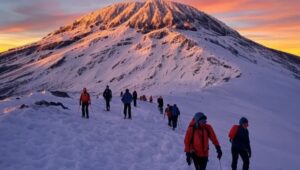
Medical preparation involves consultations with your physician, required vaccinations like yellow fever and typhoid, altitude sickness medication such as Diamox, and a comprehensive first-aid kit. Budget $200 to $400 for medical preparations, prescriptions, and preventive medications.
Tipping and Gratuity Expectations
Tipping your mountain crew is customary and represents an important component of their income. While not legally required, it’s deeply embedded in Kilimanjaro climbing culture and supplements the often-modest wages crew members receive.
Recommended tipping guidelines suggest approximately $20 to $25 per day for the lead guide, $15 to $20 per day for assistant guides, $10 to $15 per day for the cook, and $8 to $10 per day for each porter. For a seven-day climb, total tips typically range from $250 to $400 per climber, varying with group size and service quality.
Some operators collect tips in a communal pool for distribution, while others suggest individual tipping. Clarify the expected protocol with your operator beforehand and budget accordingly. This expense, while substantial, directly benefits the hardworking individuals who make your summit attempt possible.
Budget vs. Mid-Range vs. Premium Operators
The operator you select fundamentally shapes your experience and costs. Budget operators charging $1,500 to $2,200 minimize expenses through large group sizes, basic equipment, minimal staff ratios, and sometimes questionable labor practices. While some budget companies operate ethically, others achieve low prices through corners you may not want cut.
Mid-range operators at $2,500 to $4,000 typically offer smaller groups, better staff-to-climber ratios, quality equipment, fair porter treatment, and experienced guides. This category provides the best value for most climbers, balancing cost with quality and ethics.
Premium operators commanding $4,000 to $6,000 or more provide luxury elements like superior camping equipment, gourmet mountain cuisine, private portable toilets, optimal staff ratios, and highly experienced guides. They often support sustainability initiatives and offer the highest standards of porter welfare.
The operator quality directly impacts your summit success rate, safety, comfort, and overall experience. Researching operator reputations through reviews, certifications, and industry affiliations helps ensure your investment supports a company aligned with your values and expectations.
Hidden Costs and Unexpected Expenses
Several additional expenses can catch climbers off guard. Visa fees for Tanzania run $50 to $100 depending on nationality, payable upon arrival or online beforehand. Airport transfers outside your climbing package cost $50 to $100 round-trip if not included.
Personal items like snacks, energy bars, electrolyte supplements, and batteries typically add $50 to $100. Many climbers underestimate their desire for comfort items or specialty foods during the trek. Laundry services at hotels before and after the climb, souvenir shopping, additional restaurant meals, and safari extensions or tourism activities in Tanzania add further expenses.
Communication costs including international phone plans or local SIM cards, celebration dinners with your crew after successful summits, and photography such as professional photo packages or GoPro rentals represent other potential costs. Budget an additional $300 to $600 beyond your main expenses to comfortably cover these items.
Seasonal Pricing Variations
Kilimanjaro’s climbing seasons significantly affect pricing. The primary climbing seasons run from January through mid-March and June through October, when weather conditions are most favorable. During these peak periods, demand increases and operators may charge premium rates or have limited availability.
The rainy seasons from late March through May and November through December see fewer climbers and some operators offer discounted rates. While cost savings can reach 10 to 20 percent, you’ll face higher rainfall probabilities, muddier trails, and reduced visibility. Some experienced climbers consider the trade-off worthwhile, particularly during November when conditions can still be reasonable.
Booking well in advance, typically six to twelve months for peak season climbs, ensures availability with your preferred operator and sometimes secures early-booking discounts. Last-minute bookings occasionally yield bargains but limit your operator choices and may force you onto less desirable dates.
Group Size Economics
Climbing with a larger group reduces per-person costs since certain expenses like guide services and camping equipment are shared. Many operators offer significant discounts for groups of four to eight climbers, with per-person costs potentially dropping by $300 to $800 compared to solo or pair climbs.
However, larger groups create different dynamics on the mountain, with slower hiking paces, less personalized attention from guides, and reduced flexibility in scheduling and decision-making. Solo climbers face premium pricing but enjoy maximum flexibility and personalized service.
Consider organizing a private group with friends or family to access group pricing while maintaining your preferred companionship. Many operators accommodate custom group departures for parties of four or more.
Is the Investment Worth It?
Climbing mount Kilimanjaro cost represents a significant financial commitment, with total costs including flights, gear, and incidentals easily reaching $3,000 to $6,000 or more per person. For most climbers, the experience justifies the investment through the personal achievement of summiting Africa’s highest peak, the physical and mental challenge that pushes personal boundaries, immersion in Tanzania’s remarkable landscapes from rainforest to arctic summit zones, and cultural exchange with local guides and communities.
The memories and sense of accomplishment from standing on the Roof of Africa typically far outlast the financial expenditure. However, proper budgeting and realistic cost assessment prevent financial stress from overshadowing your adventure.
Maximizing Value While Minimizing Costs
Several strategies help optimize your investment without compromising safety or ethics. Book directly with Tanzania-based operators rather than through international intermediaries who add markup. Research operators thoroughly use platforms like TripAdvisor, SafariBookings, and Kilimanjaro Porters Assistance Project (KPAP) ratings to ensure fair treatment of porters.
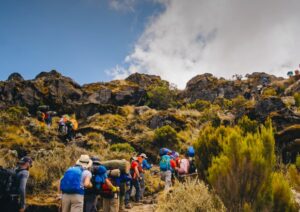
Select longer routes despite higher upfront costs since better acclimatization dramatically improves summit success rates, making the investment more likely to pay off. Rent rather than purchase gear for one-time climbs, travel during shoulder seasons for potential discounts without extreme weather, join scheduled group departures rather than booking private climbs, and compare multiple operator quotes while examining what’s included versus excluded.
Avoid the temptation to choose the absolute cheapest option, as rock-bottom prices often reflect compromised safety standards, poor porter treatment, inadequate equipment, or inexperienced guides. The modest savings rarely justify the increased risks and reduced experience quality.
Conclusion
Climbing Mount Kilimanjaro cost requires substantial financial planning, with realistic budgets ranging from $3,500 to $7,000 per person including all expenses. While this represents a significant investment, understanding the cost breakdown helps you make informed decisions aligned with your budget, values, and expectations. The park fees, guide services, equipment, travel costs, and miscellaneous expenses all contribute to the complex financial picture of this bucket-list adventure.
The key to maximizing value lies in balancing cost considerations with operator quality, safety standards, and ethical practices. Investing in a reputable operator with fair porter treatment, experienced guides, and proper equipment significantly enhances your summit success probability and overall experience. The mountain’s challenges demand proper preparation and support, making the choice of operator one of the most important decisions in your Kilimanjaro journey.
For most climbers who reach Uhuru Peak, the financial investment pales in comparison to the profound sense of achievement and the unforgettable memories created. By budgeting carefully, researching thoroughly, and selecting operators that align with your values, you can embark on this iconic adventure with confidence that your investment supports both your personal goals and the local communities that make Kilimanjaro climbs possible.
Key Takeaways
Budget Realistically: Plan for $3,500 to $7,000 total per person including flights, with climb packages alone ranging from $1,500 to $6,000 depending on route, duration, and operator quality.
Prioritize Operator Quality: Research operator reputations thoroughly and avoid the cheapest options, as quality directly impacts safety, summit success, and ethical porter treatment.
Factor in Hidden Costs: Beyond the climbing package, budget for gear rental or purchase ($200-$2,000), travel insurance ($150-$300), tips ($250-$400), visas, vaccinations, and incidentals.
Route Selection Matters: Longer routes cost more upfront but offer better acclimatization and higher summit success rates, potentially offering better value than shorter, cheaper alternatives.
Timing Affects Pricing: Peak season climbs (January-March, June-October) command premium prices but offer better weather, while shoulder seasons may provide discounts with acceptable conditions.
Group Dynamics Impact Costs: Larger groups reduce per-person expenses through shared costs but may compromise flexibility and personalized service that solo or small group climbs provide.
Frequently Asked Questions
What is the average cost to climb Mount Kilimanjaro?
The average cost for a quality Kilimanjaro climb ranges from $2,500 to $4,000 per person for the climbing package itself, with mid-range operators offering the best balance of value, safety, and service. When including international flights, gear, insurance, tips, and other expenses, total costs typically reach $4,000 to $6,000 per person. Budget-conscious climbers can sometimes reduce costs to $3,000-$3,500 total by traveling during shoulder seasons, joining group departures, and renting equipment, though choosing extremely cheap operators risks compromising safety and ethics.
Why do Kilimanjaro climb prices vary so much between operators?
Price variations reflect differences in service quality, group size, staff ratios, equipment standards, and porter treatment. Premium operators invest in experienced guides, superior equipment, smaller group sizes, comprehensive insurance, and fair wages for mountain crews. Budget operators reduce costs through larger groups, basic equipment, minimal staff, and sometimes questionable labor practices. The climbing package must cover substantial fixed costs like park fees ($1,000-$1,200), so operators charging significantly below $2,000 are likely cutting corners that may impact your safety, comfort, or ethical standards.
Are Kilimanjaro climb costs all-inclusive?
Most climbing packages cover park fees, guide and porter services, mountain accommodations, meals during the trek, and transportation between your hotel and the trailhead. However, they typically exclude international flights, visas, travel insurance, pre- and post-climb hotel accommodations, tips for the mountain crew, personal equipment, vaccinations and medications, and meals outside the trek days. Always request a detailed breakdown of included and excluded items from your operator to avoid surprises and enable accurate budgeting.
What route offers the best value for climbing Kilimanjaro?
The Machame Route typically offers excellent value, combining reasonable costs ($2,000-$3,500) with high summit success rates due to its effective acclimatization profile over six to seven days. While longer routes like Lemosho and Northern Circuit cost more upfront ($2,500-$5,000), their extended durations provide superior acclimatization, potentially justifying the premium through higher summit probabilities. The budget-friendly Marangu Route ($1,800-$2,500) has lower success rates due to its rapid ascent profile, potentially making it false economy if summit success is your priority.
Should I buy or rent climbing gear for Kilimanjaro?
For most one-time climbers, renting makes financial sense at $200 to $400 for a complete package versus $1,000 to $2,000 to purchase everything new. Rental items like four-season sleeping bags, bulky insulated jackets, and trekking poles are expensive to buy but readily available for rent in Tanzania. However, invest in purchasing properly fitted hiking boots, moisture-wicking base layers, a quality headlamp, and warm gloves, as fit and reliability of these items significantly impact comfort and success. Many outdoor enthusiasts who plan future high-altitude adventures find purchasing worthwhile for the long-term utility.
How much should I tip my Kilimanjaro climbing crew?
Standard tipping guidelines recommend $150 to $300 per climber for the entire crew on a seven-day climb, distributed as approximately $20-25 per day for the lead guide, $15-20 per day for assistant guides, $10-15 per day for the cook, and $8-10 per day for each porter. Tips represent an important component of crew income and reflect appreciation for their hard work carrying equipment and supporting your summit attempt. Some operators collect tips in a communal pool for fair distribution, while others suggest individual tipping. Clarify the expected protocol with your operator and budget accordingly, as this expense is customary and expected in Kilimanjaro climbing culture.
Can I climb Kilimanjaro on a tight budget without compromising safety?
While possible to reduce costs through strategies like shoulder season travel, group departures, equipment rental, and selecting efficient mid-length routes, climbing safely on a truly tight budget proves challenging. Park fees alone total $1,000-$1,200, and reputable operators require fair wages for guides and porters, quality equipment, and proper insurance. Extremely budget operators charging under $1,800 often achieve low prices through compromised safety standards, inadequate equipment, poor porter treatment, or inexperienced guides. A realistic minimum budget of $2,200 to $2,800 for the climbing package with a mid-range operator ensures reasonable safety and ethical standards while still controlling costs.
When is the cheapest time to climb Mount Kilimanjaro?
The rainy seasons from late March through May and November through December represent the most affordable periods, with some operators offering 10 to 20 percent discounts due to reduced demand. November often provides the best balance of cost savings and reasonable conditions, as weather can still be acceptable despite being officially low season. However, these periods involve higher rainfall probabilities, muddier trails, reduced visibility, and potentially lower summit success rates. The savings must be weighed against these compromises. Booking well in advance for peak season climbs (January-March, June-October) sometimes secures early-bird discounts while ensuring optimal conditions.